Trulend auto repair loans to get you back on the road
Last updated:
When a trulend search starts with a shop estimate in hand, one free request can show personal loans of $500–$5,000 from lenders in our network, so the car gets fixed and you keep working.
On this page

01
What a trulend auto repair request can pay for
A trulend auto repair request can pay for mechanical and safety repairs on a car, truck, SUV or motorcycle you already own, from brake jobs and batteries to transmissions, engine work, suspension parts and tires.
Funds from personal loans land in your bank account, not at the shop, so a trulend request lets you use any mechanic: a dealership service department, an independent garage or a mobile mechanic who comes to your driveway. Because these personal loans are unsecured, the vehicle is not pledged as collateral, and the title stays with you. That matters if your car is older or already carries an auto loan, since many secured options will not lend against it.
- Brakes: pads, rotors, calipers, brake lines and ABS sensors
- Drivetrain: transmission rebuilds, clutch replacement, CV axles, differentials
- Engine: timing belts, water pumps, head gaskets, catalytic converters
- Electrical: batteries, alternators, starters, wiring faults
- Steering and suspension: struts, control arms, tie rods, alignment
- Tires and wheels: a full set of four, plus mounting and balancing
- Climate: AC compressors, heater cores, blend door actuators
Some drivers also use trulending offers for repairs after an accident when the cost falls under their collision deductible, typically $500 or $1,000, or when a claim would raise premiums more than the repair is worth. Buying a different car, however, is a separate decision from trulend repair funding; our guide on whether to repair or replace your car walks through that math.
Common amounts for auto repair loans
02
Typical costs of common car repairs
Common car repairs in the US run from about $150 for a battery to $4,500 or more for a rebuilt transmission, with the vehicle make, labor rate and parts quality driving most of the difference.
| Repair | Typical estimated cost | What drives the price |
|---|---|---|
| Battery replacement | $150–$350 | Battery type (AGM vs standard), registration on newer cars |
| Brake pads and rotors (one axle) | $300–$750 | Rotor size, performance brakes, caliper condition |
| Alternator replacement | $450–$1,000 | Engine layout, remanufactured vs new part |
| Starter replacement | $350–$900 | Access difficulty, part source |
| Set of four tires installed | $500–$1,200 | Tire size, truck or SUV ratings, brand |
| Timing belt and water pump | $600–$1,500 | Interference engine, labor hours |
| AC compressor replacement | $900–$2,500 | Refrigerant type, related parts like the condenser |
| Catalytic converter | $1,000–$3,000 | State emissions rules, OEM vs aftermarket |
| Head gasket repair | $1,500–$3,000 | Machine shop work, engine type |
| Transmission rebuild | $2,500–$5,000+ | Automatic vs manual, rebuilt vs remanufactured unit |
Labor is often half the bill, and it is the line trulend searchers most often underestimate. Independent shops commonly charge $90–$150 an hour, while dealerships may charge $150–$200 or more. A water pump that takes four book hours can cost $400 more at one shop than another for identical work. For the biggest repair on this list, see how much a transmission repair costs, which separates fluid service, solenoid fixes and full rebuilds.
Figures above are planning estimates only. Ask for a written, itemized estimate showing parts, labor hours and the shop’s hourly rate.
03
How much trulend drivers usually borrow for repairs
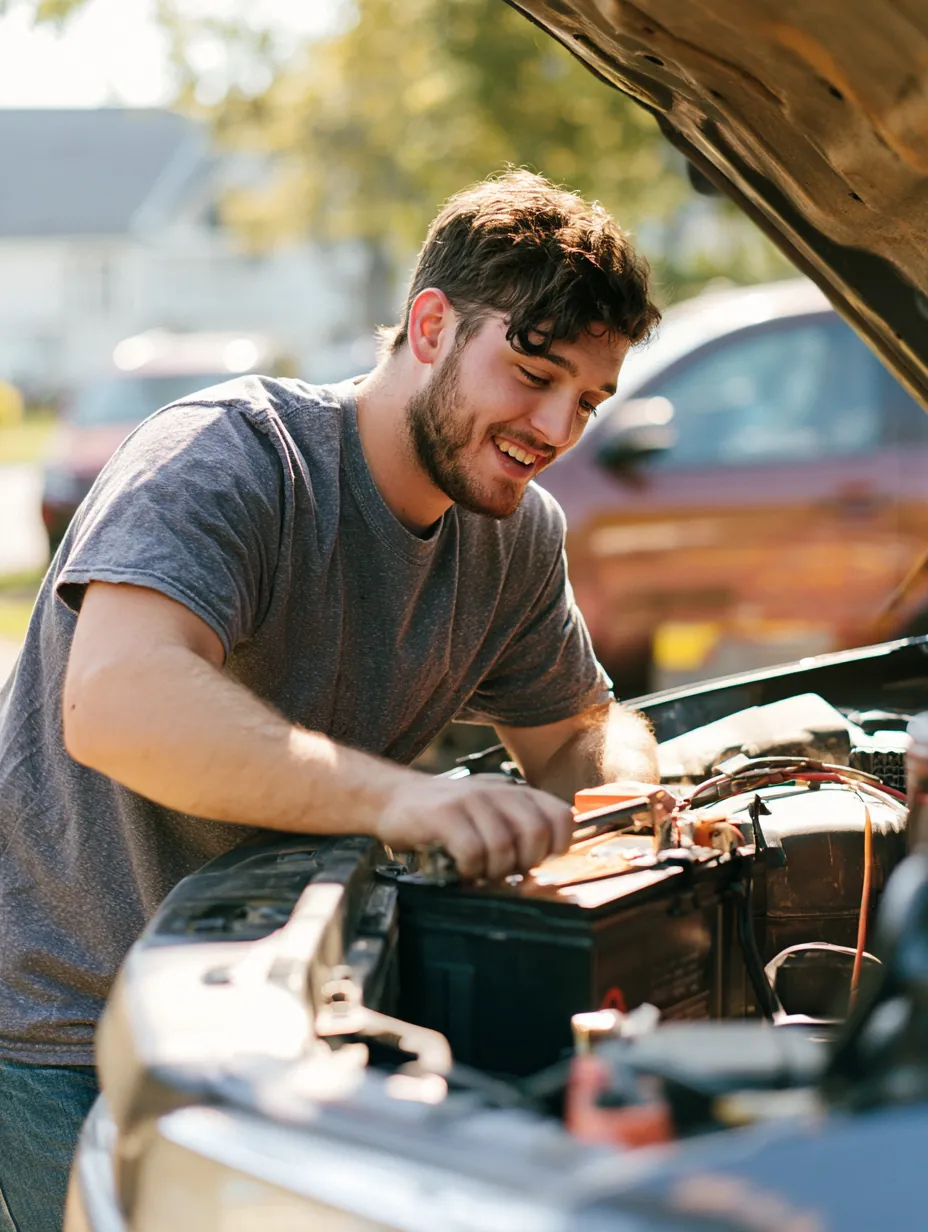
Trulend drivers most often request between $1,000 and $2,500 for car repairs, which covers a typical brake-and-tire visit, an alternator or a timing belt, plus diagnostic fees and taxes.
Build the amount from the estimate line by line. A shop quote of $1,380 for a timing belt and water pump, plus a $140 diagnostic fee already charged and roughly 7% sales tax on parts, lands near $1,600. A $1,500 personal loan would leave you short; a $3,000 personal loan would add interest on $1,400 you don’t need. If the mechanic flags a second item, like worn struts, ask which can safely wait a few months.
| Term | Estimated monthly payment | Estimated total repaid |
|---|---|---|
| 6 months | $178.53 | $1,071.18 |
| 12 months | $94.56 | $1,134.72 |
| 18 months | $66.70 | $1,200.60 |
Shorter personal loan terms suit smaller repairs. Paying off a $1,000 alternator and battery over 6 months costs an estimated $71.18 in interest at the sample rate, compared with $200.60 over 18 months. Our site-wide example is $2,000 over 12 months at 24% APR: about $189.12 a month and $2,269.44 total, with no fee assumed. Your actual rate from lenders reviewing personal loans may be higher or lower.
04
What lenders weigh on a car repair loan request
Lenders weigh your credit history, income, existing monthly debts and identity details. Bad credit is considered by some lenders reviewing a trulend request, though a lower score usually means a higher APR and sometimes a smaller amount.
The car itself matters less than you might expect, since unsecured personal loans don’t use it as collateral. What a lender wants is confidence that a $120 or $190 monthly payment fits next to rent, insurance and the payment you may already owe on the car. A reliable vehicle can actually support your application indirectly: it is how many people get to the job that produces the income lenders review.
| Credit tier | Estimated APR range |
|---|---|
| Excellent (720+) | 7.99%–15.99% |
| Good (690–719) | 13.99%–21.99% |
| Fair (630–689) | 19.99%–29.99% |
| Poor (below 630) | 27.99%–35.99% |
Rideshare and delivery drivers using trulend often ask whether gig income counts. Many lenders offering personal loans accept it with bank statements or tax documents showing a steady pattern over several months. The basic requirements, including age, a US address, an active checking account and verifiable income, are listed on our eligibility page, and each lender behind trulending offers applies its own standards on top of them.
05
How a trulend car repair request moves from shop to funding
You submit one free request form with the repair amount, we share it with lenders in our network, and any lender that can help shows its own offer. You decide whether to accept; the lender approves and funds.
- Get the shop’s written estimate and ask how long they can hold the quote and the parts order.
- Fill out the trulend request form with the amount, income and contact details.
- Compare any offers shown: APR, term, monthly payment, origination fee and funding timing.
- Accept the offer that fits and complete the lender’s verification on its own site.
- Funds can arrive as soon as the next business day after approval, depending on the lender, and you pay the shop.
Plan your trulend timing around storage and rental costs. Some shops charge $25–$50 a day once a repaired car sits uncollected, and a rental can run $45–$70 a day. If you know funding may take two business days, ask the shop to order parts now and schedule the work so the car is ready when the money arrives. Sending the request is free, and you are never obligated to accept an offer.
06
Comparing trulending offers against shop financing
Compare trulending offers and other personal loans with any shop or tire-store financing by APR, fees, term and what happens after a promotional period, because a zero-interest plan can turn expensive if the balance isn’t cleared on time.
Before comparing personal loans, know that many repair chains offer store credit cards with six or twelve months of deferred interest. If even $50 remains when that window closes, some plans charge interest back to the original purchase date, often at rates near 30%. Fixed-rate personal loans have no such cliff: the payment and end date are set from day one. On the other hand, if you can truly clear a $900 brake job in five months, a promo plan may cost nothing.
- Ask whether the promo is deferred interest or true 0% APR; the difference can be hundreds of dollars.
- Check whether an origination fee reduces the cash you receive from personal loans.
- Compare total repaid, not only the monthly payment.
- Confirm whether early payoff carries a penalty; many lenders charge none.
Our rates guide explains how APR combines the interest rate and fees into one figure, which makes it the cleanest way to line up a shop plan, a card and trulend personal loans side by side.
07
Alternatives to personal loans for car repairs
Options besides trulending offers and personal loans include warranty or recall coverage, insurance, a shop payment plan, a credit card, a credit union auto repair loan or a secured title-based product, each with different costs and risks.
- Recalls and warranties: check your VIN on the manufacturer’s recall list and review powertrain or extended warranty terms before paying for engine or transmission work.
- Insurance: collision or comprehensive may cover accident, hail or theft damage after your deductible, but not wear and tear.
- Credit union loans: some offer small repair personal loans to members at competitive rates if you already bank there.
- Secured loans: borrowing against the car’s title can carry high costs and puts the vehicle at risk if payments are missed.
That last point deserves care. Our comparison of secured vs unsecured loans for car repairs explains why losing the car you need for work is a heavier risk than a slightly higher APR. People searching trulends reviews frequently mention choosing an unsecured personal loan for exactly that reason: the repair gets paid without putting the title on the line.
08
Repayment tips for trulend auto repair borrowers
Match the due date to your paycheck, turn on autopay, and start a separate car-maintenance fund alongside the loan so the next repair is paid from savings rather than borrowing.
Alongside trulend repayments, a practical target is $50–$100 a month set aside for maintenance on a car that is five years old or older. Over a year that builds $600–$1,200, enough for brakes and a battery. Trulend borrowers who keep up with oil changes, tire rotations and coolant service also tend to avoid the larger failures that drove them to borrow in the first place.
If money gets tight mid-loan, call the lender before a payment is missed. Many lenders behind trulending offers can move a due date or discuss hardship options, while a missed payment can bring late fees and a mark on your credit report. Paying early helps too: an extra $30 a month on a $1,500 personal loan over 12 months can trim a payment or two from the end, assuming your lender doesn’t charge a prepayment penalty.
09
Mistakes to avoid when borrowing for a car repair
Avoid sending a trulend request before you have a diagnosis, approving work over the phone without a written estimate, and putting a large repair into a car worth less than the bill without comparing the replacement cost first.
- Skipping a second opinion on repairs over $1,000; another shop may find a cheaper fix.
- Not asking about used, rebuilt or remanufactured parts that carry warranties at a lower price.
- Ignoring the parts and labor warranty; 12 months or 12,000 miles is a common baseline.
- Choosing a longer personal loan term than the car may last; don’t pay 36 months for a car you expect to sell in one year.
- Applying for personal loans at many lenders separately and collecting several hard inquiries instead of comparing first.
A final check helps: compare the repair estimate with the car’s market value. Spending $3,800 on a transmission in a car worth $4,500 can still make sense if the rest of the vehicle is solid and paid off, since a replacement would cost far more. Putting a personal loan of the same size toward a car with rust, high mileage and a second looming repair is harder to justify, even when trulending offers make the payment look manageable.
Auto Repair Loans: common questions
Can I use a trulend auto repair loan if the car is still financed?
Yes. Because personal loans from lenders in our network are unsecured, the existing auto loan and lienholder are not affected. Lenders reviewing a trulend request will count your current car payment as part of your monthly debts when reviewing the request, so a large existing payment can lower the amount or raise the rate a lender offers. Keep paying both on time to protect your credit.
Will a lender pay the repair shop directly?
Usually not. Most lenders deposit personal loans into your checking account, and you pay the shop by debit card, transfer or check. That gives you freedom to choose any mechanic, but it also means you should hold on to the itemized invoice and receipt in case you need proof of payment for a warranty claim or an insurance reimbursement later.
Can I request funds to cover a tow and diagnostic fee too?
Yes, include them in the amount. A tow within a metro area often runs $75–$200, and a diagnostic check commonly costs $100–$180, sometimes credited toward the repair if you approve the work at that shop. Adding these to the trulend request avoids putting them on a high-rate card while the bigger repair is financed separately.
Does a mobile mechanic’s quote work for a repair loan request?
Yes. Lenders offering personal loans generally don’t require a quote from a specific type of business, and mobile mechanics are often cheaper for batteries, brakes, alternators and starters because they skip shop overhead. Ask for a written estimate by text or email, confirm the parts warranty, and use that total to decide how much to request.
Guides for this loan type
Explore other loan types & amounts
Ready to compare personal loan offers?
One free request, about five minutes, and no obligation to accept any offer.